
Relax, Recharging, Reclaim Your Peace
Modern life never comes with a pause button. Between work, family, news, and the endless to-do lists, it’s no wonder so many of us feel burned out. The constant hustle can make even simple things feel overwhelming. But you deserve rest. Not just enough sleep, but true mental, emotional, and physical recharging.
If you’ve been feeling anxious, tired, or stressed out, it might be your body and mind asking for a break. And the good news? You don’t have to book a long retreat in the mountains to feel better. Small, mindful habits can go a long way in helping you relax and recharge. Let’s explore some of them.
Give Yourself Permission to Slow Down
We live in a world that often praises busyness. But constantly pushing yourself is never a badge of honor but a fast way to burnout. It's okay to say no to overloaded work. It’s okay to cancel unnecessary plans. Taking a break doesn’t mean being lazy, it means being responsible to yourself.
Try this:
Put a “nothing” time into your week schedule. Just like you'd schedule a meeting or workout, block out 30 to 60 minutes to do absolutely nothing productive. Let your mind wander, sit by the window, stretch, or listen to calming music.
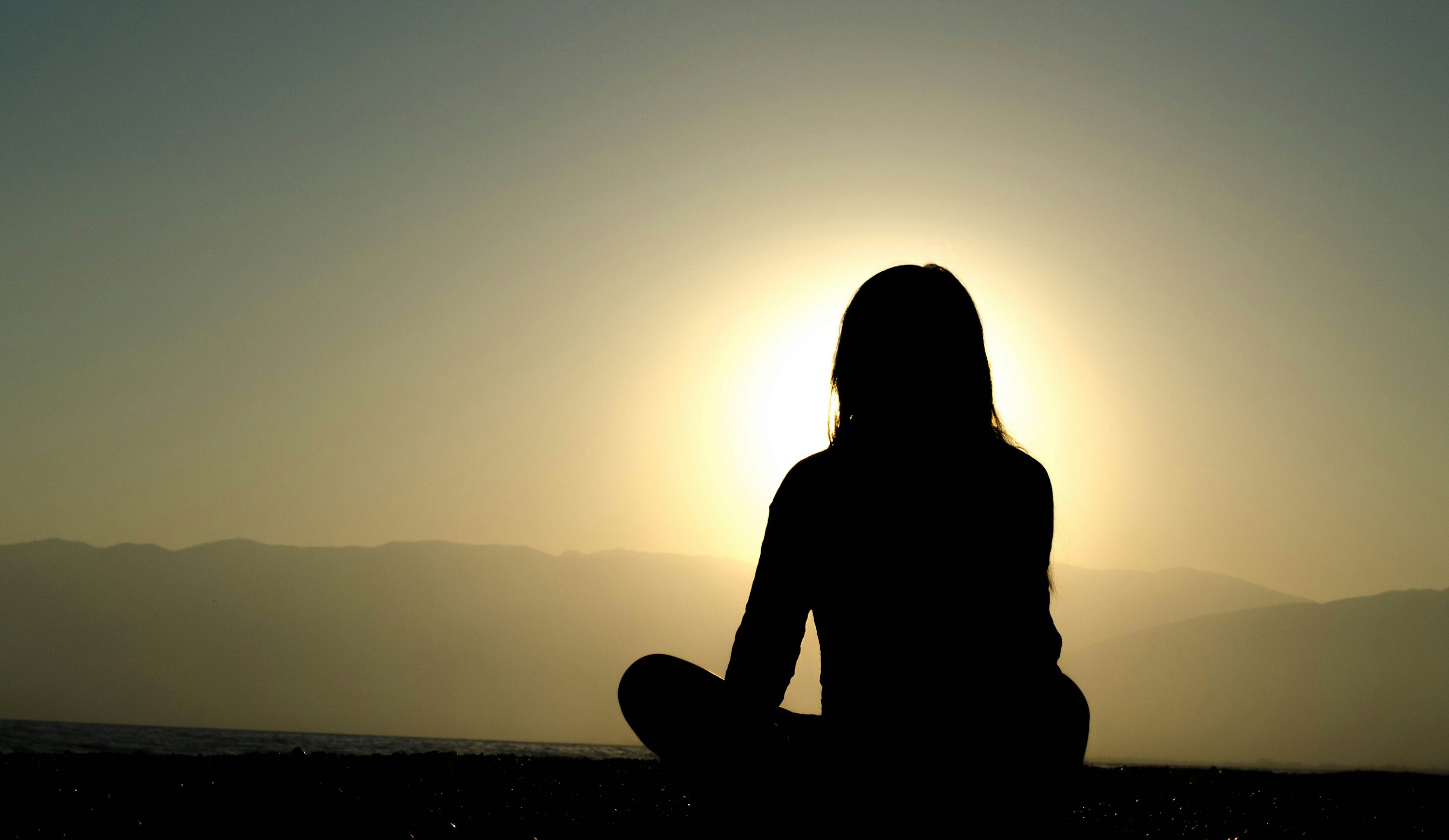
Breathe: Your Built‑in Stress Reset
Among the simplest and most effective strategies available, breath control can instantly recalibrate your nervous system. Studies have found that intentional breathing practices significantly increase parasympathetic (rest‑and‑digest) activity and reduce sympathetic (fight‑or‑flight) response, leading to lower anxiety, heart rate, and blood pressure.
Try this:
One tried‑and‑true method is the 4–4–8 breathing, or 4–4–6 depending on comfort: inhale for 4 seconds, hold for 4, exhale for 8 (or 6). A single 5‑minute session can improve mood and reduce respiratory rate more effectively than standard mindfulness meditation.
This technique is portable. You can do it in your car, at your desk, in line at the grocery store, or before going to bed. The point is this: you already own the most sophisticated tool for stress relief, which is your breath.

Walk in Nature: A Path to Calm
Walking in forestry and green spaces isn’t just visually pleasant but deeply a therapy. A meta‑analysis of nature walks reports consistent reductions in anxiety and depression following even brief exposure to nature. Meanwhile, brain‑imaging studies further support this, finding decreased amygdala activity after an hour in a forest, but not following an urban walk. There’s also evidence that structured “park prescriptions” are gaining traction in medicine, helping prevent chronic illnesses and lowering healthcare costs. No need to spend a long hike on the weekend but just 30 minutes of guided nature walking can measurably reduce distress. So lace up your shoes, step outside, and let green space do the heavy lifting.

Practice Gratitude: Rewire Your Brain for Calm
Gratitude might sound like a soft concept, but neuroscience tells a different story. Consistently reflecting on what you’re thankful for doesn’t just make you feel better in the moment, but it can actually rewire your brain to become more resilient to stress and negativity over time. Research published in Frontiers in Psychology shows that gratitude practices are linked with reduced cortisol levels (a key stress hormone), better heart rate variability, and improved overall mental health.
Try this:
writing down three things you’re grateful for each night, no matter how small they are, can shift your perspective over time. It could be the warmth of your morning tea, a kind word from a friend, or even a moment of sunlight through your window.
The act of pausing to appreciate life’s small joys activates brain regions associated with emotional regulation and reward, such as the prefrontal cortex and the anterior cingulate cortex. Over time, these neural changes help buffer the effects of stress and increase feelings of contentment, even when life is busy or overwhelming.
Let SightSage to Help You
Another emerging ally in the fight against stress is the use of adaptogens, it has wide range of restorative effects. Chronic stress doesn’t just weigh on your mind, it can show up physically, often in the form of hair thinning, premature greying, or even significant hair loss.
AdaptogenX works by lowering cortisol levels with 100% natural resources, the stress hormone responsible for many of these symptoms. By regulating your body’s stress response, it not only helps manage stress-induced hair loss but also supports hair pigmentation, helping to reduce grey hairs. Think of it as a calm-from-within approach, which calms not just your inside but your entire system’s balance.
A Guided Routine to Try This Week
-
Morning – 3‑minute 4–4–8 breathing session before you check your phone.
-
Midday – 10‑minute walk outside, no phone. Feel your surroundings.
-
Afternoon – Take 3 capsules of Adaptogen-X
-
Evening – Write three things you are grateful for the day
-
Weekend – Aim for a 30‑60 minute nature walk to reboot your system.
Give one of these tips a try this week and notice what shifts. Better yet, combine two or three. Before long, you’ll wake up to a calmer mind and a heart that’s more attuned to life’s gentle rhythms.